How to measure your mast bend
To build fast sails it is important for the sailmaker to know how a mast bends. There are different ways depending on the boat class how to determine the mast deflection.
Here we explain how it is easiest for most catamaran sailors to measure their masts in the rigged state.
You need a
stay wire, 8.5m long (varies by boat), 2.5mm diameter
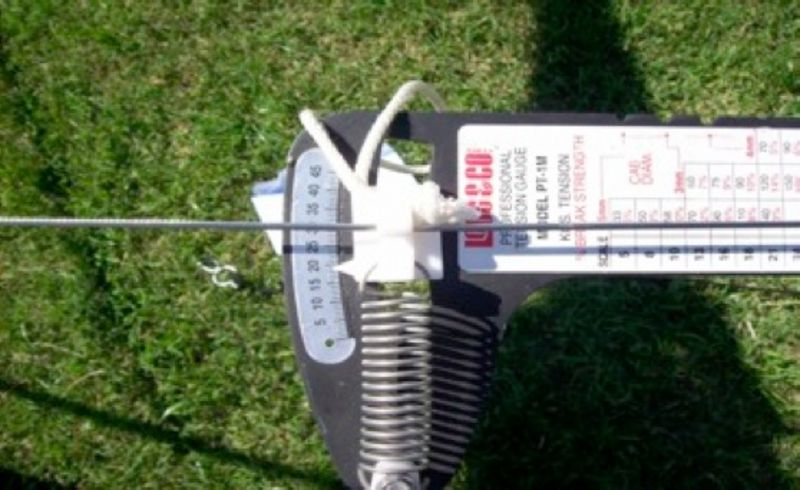
a PT-1 Loose tension gauge
thin rope around 9m long
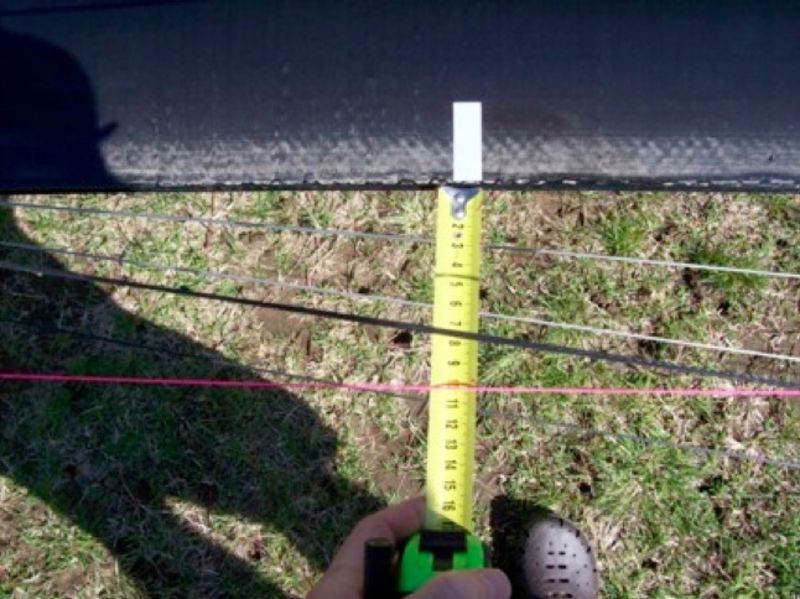
tape measure
pen to mark the mast

Step 1: Prepare the boat and mark the mast
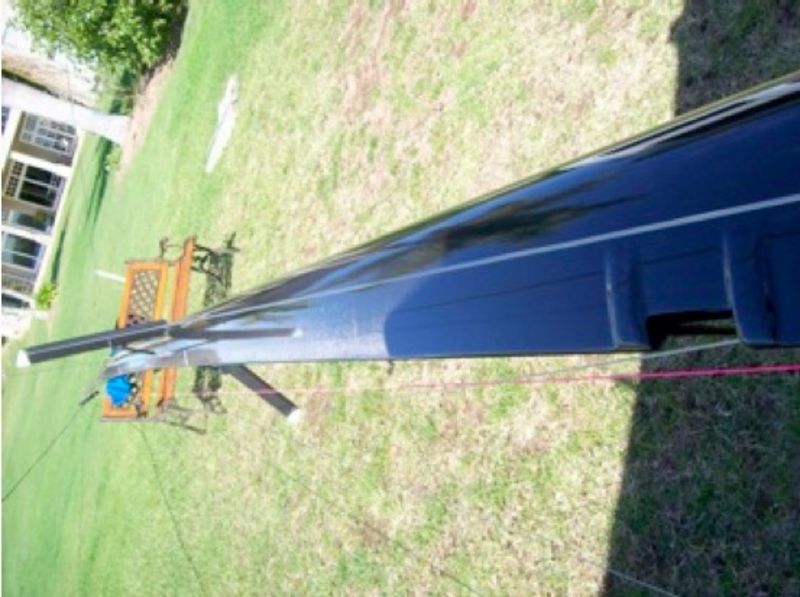
The boat has to be put on its side with the mast set, support the mast on the main fitting. Make a note of spreader angles and diamond tension.
We recommend a default setting of 55mm spreader angle and 27 LG diamond tension.
We need the mast bending curve along the length of luff of the sail from upper gooseneck fitting to the top of the mast.
Mark the mast down from the top hook at
1/8
1/4
1/2
3/4
1 = complete luff lenght
Record the height of the spreaders.
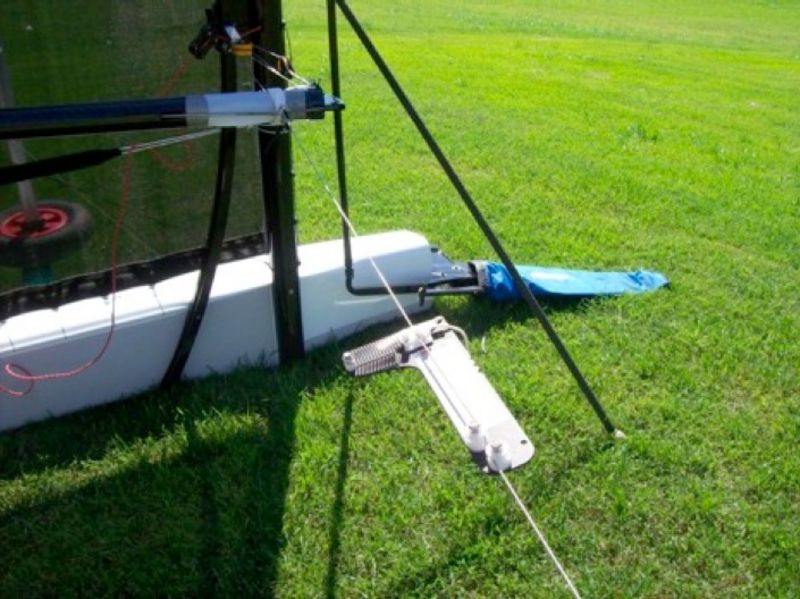
Step 2: Attach and tension the wire
Lock the rotation in the center in line with the middle of the boat or the boom. We are interested to know the mast bend with 0 degrees rotation.
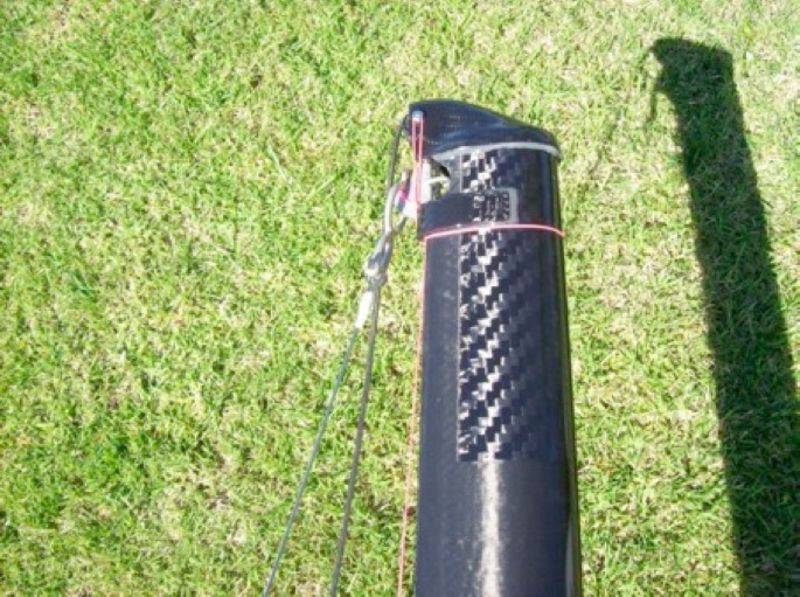
Take the ring from your sail and shackle the wire on to it.
Hook it on the mast and the other end to the boom in the same position the clew of your sail would be
Spannen Sie das Drahtseil mit der Großschot.
Apply tension with the mainsheet.